
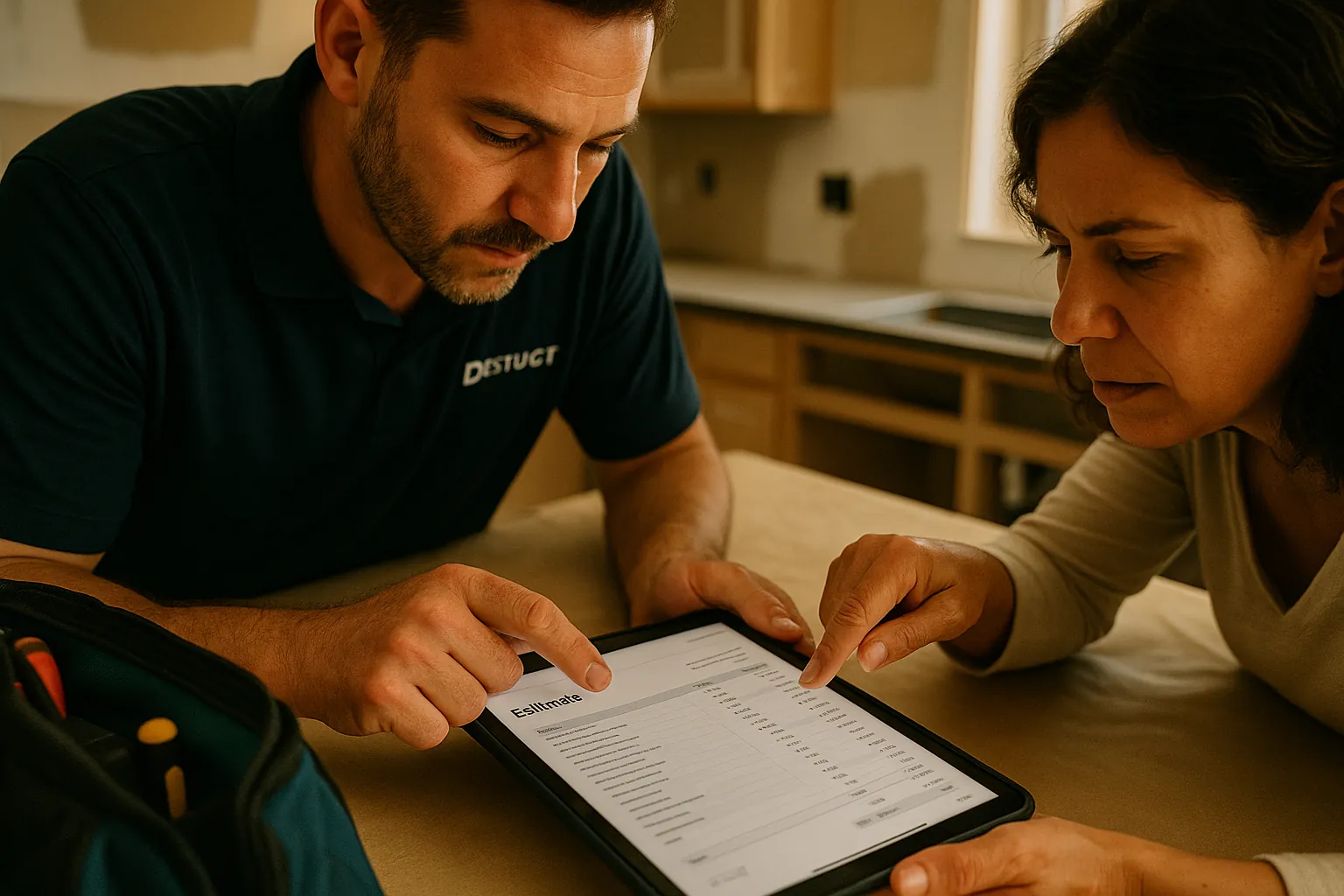
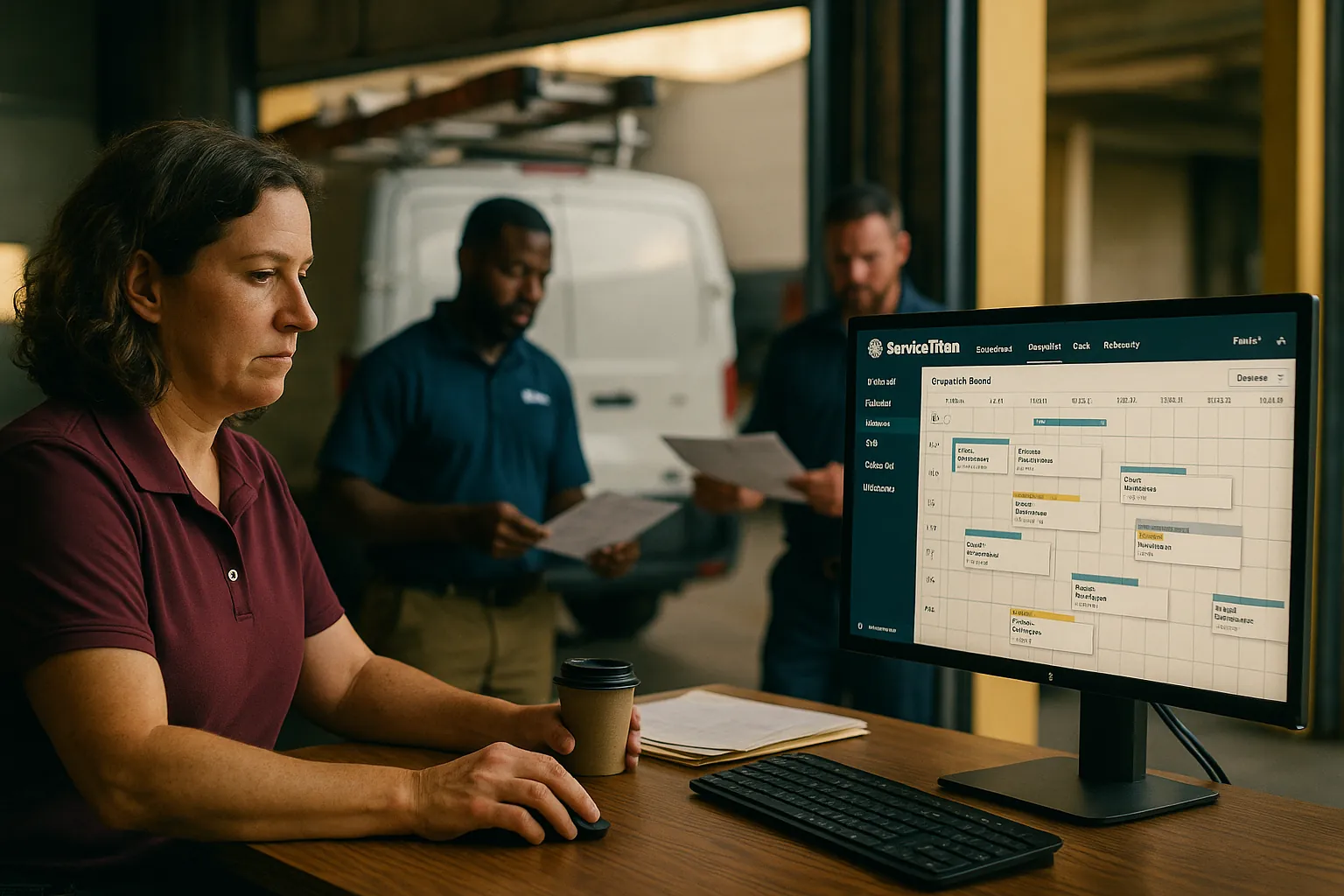
Construction companies do not have a traffic problem as much as a trust problem. Homeowners, developers, property managers, and commercial clients are usually searching with urgency, but they are also cautious. They are about to spend thousands, sometimes hundreds of thousands, and they want proof that the contractor they call is credible, local, and capable of finishing the job. That is why SEO services matter so much in this industry. Good rankings put a company in front of the right prospect, but rankings alone do not win the lead. The site has to validate the business in a matter of seconds.
That distinction separates effective SEO for construction from generic SEO. A plumbing contractor, a roofing company, a design-build firm, and a concrete subcontractor all need visibility, but they do not all need the same strategy. Search intent changes by service, by geography, by project size, and by season. A homeowner looking for emergency roof repair behaves differently from a facilities manager seeking a long-term paving contractor. Strong SEO services account for that reality.
I have seen construction businesses spend heavily on ads because they needed leads fast, then neglect the organic side for years. The result is predictable. The phone rings while the budget is active, then goes quiet when spend slows. Organic search takes longer to build, but it compounds. A page that ranks for “commercial roofing contractor in Dallas” or “kitchen remodeling company in Naperville” can bring qualified leads month after month, often at a lower long-term acquisition cost than paid campaigns.
Why construction SEO is a different discipline
Many agencies talk about SEO as if every local business follows the same playbook. Construction does not. Jobs are location-based, service lines are specialized, and reputation carries unusual weight. A general contractor may serve one metro area for tenant improvements, but travel statewide for public works bids. A custom home builder may want fewer leads, not more, because one qualified inquiry is worth more than twenty low-intent contacts.
Search behavior also tends to be fragmented. Some prospects search broad terms like “home addition contractor.” Others search around pain points such as “garage conversion permit help” or “foundation crack repair near me.” Commercial clients may use more technical phrases, including project type, compliance needs, or material systems. If the site is only optimized for broad homepage terms, it misses a large share of demand.
There is also the visual proof issue. In construction, before-and-after photos, project galleries, certifications, service area detail, and evidence of process all influence conversion. SEO services for contractors should never stop at keyword placement. They should improve how the company is perceived once the click happens.
What SEO services should actually do for a contractor
A useful SEO engagement helps a construction company get discovered, earn trust, and turn search visits into quote requests or calls. That sounds simple, but a lot of campaigns drift into busywork. Rankings for irrelevant terms, blog posts nobody reads, vanity reporting, and thin location pages are common problems.
The work that usually moves the needle includes the following:
- Mapping each core service to a dedicated page with clear local relevance Strengthening the Google Business Profile and local citation consistency Building project-driven content that shows experience, not just definitions Improving technical health so pages load quickly and can be crawled properly Earning links and mentions from credible local or industry sources
Each of those pieces matters because construction buyers often evaluate several companies at once. If your competitor has a faster site, better project examples, more complete reviews, and cleaner location signals, that competitor has an edge before a salesperson ever gets involved.
The local search layer is where many leads begin
For many contractors, local SEO is the highest-leverage part of the entire strategy. When someone searches “roofing contractor near me” or “bathroom remodeler in Scottsdale,” Google often prioritizes map results and localized service pages. If your Google Business Profile is incomplete, poorly categorized, or inconsistent with your website and directory listings, you can lose visibility even if the company itself is reputable.
A well-optimized local presence starts with basics that sound unglamorous but are often mishandled. The company name, address, phone number, business categories, service areas, and hours need to match across the web. Photos should show real projects, not generic stock imagery. Reviews should mention services and locations naturally. Questions and answers should be monitored. Posts, while not a major ranking factor on their own, can help keep the profile active and informative.
One roofing client I observed had dozens of strong reviews but weak map visibility. The reason was not mysterious. Their profile category was too broad, several older directories had a tracking number instead of the main line, and the website had one generic services page trying to cover repairs, replacements, gutters, and storm damage across six cities. Once the service pages were separated, the listings were cleaned up, and the profile content was improved, visibility rose in a way that felt dramatic to the owner, even though the fixes were mostly foundational.
Service pages are where intent gets matched
Construction websites often make the same structural mistake. They create one page called “Services” and expect it to rank for every trade, every project type, and every town they serve. Search engines prefer specificity because searchers prefer specificity. Someone looking for stamped concrete is not searching with the same intent as someone looking for foundation repair. A property manager seeking commercial snow removal is not looking for residential landscaping.
Dedicated service pages give the site a chance to align with actual searches. They also make it easier to explain scope, process, materials, timelines, and qualifications. A page for window replacement can speak to energy efficiency, frame options, permit considerations, and installation details. A page for fire damage restoration can address emergency response times, insurance coordination, and remediation steps. Those details help rankings, but they also reduce friction for leads.
The strongest contractor websites often combine service pages with local relevance in a restrained way. That does not mean creating dozens of low-value city pages with copied text. It means building pages where there is real business value and enough differentiation to justify them. A concrete contractor may need separate pages for “warehouse slab installation in Houston” and “decorative concrete patios in Katy” because the audience, SEO Services project context, and examples are genuinely different. But spinning up thirty nearly identical pages for every suburb usually creates more risk than benefit.
Project portfolios are underrated SEO assets
Many contractors treat galleries as proof for humans only, when in fact project content can support organic search if built well. A project page is often more persuasive than a blog post because it shows real work under real conditions. It can describe the client type, location, scope, materials, timeline, challenge, and final result. Those are all signals of experience and relevance.
A remodeler who completes a 1920s bungalow kitchen renovation has more to say than just “we renovated a kitchen.” They can discuss structural surprises behind the walls, cabinet lead times, preserving period details, electrical upgrades, and permit coordination. A civil contractor can document drainage corrections on a commercial site, including grading constraints and sequencing. This kind of content reads like earned authority because it is earned authority.
It also helps with long-tail search. People do not always search broad category terms. They search specific combinations that mirror their situation. “Historic home bathroom remodel,” “retaining wall contractor on slope,” and “metal building slab contractor” may not each deliver huge volume, but taken together they bring in highly qualified visitors. Construction SEO wins through accumulation as much as head terms.
Technical SEO matters more than many contractors assume
On a practical level, SEO Services magisterdigital.ai a lot of construction sites underperform because they are slow, cluttered, or poorly structured. Heavy image galleries, uncompressed photos, confusing navigation, thin page copy, and duplicate metadata are common. These issues are fixable, but they need attention.
A site that loads slowly on mobile can leak leads before anyone reads the first sentence. That matters because construction searches often happen on the go. A homeowner standing in the driveway after storm damage is not waiting for a bloated gallery to load. A facilities manager checking vendors between meetings is not going to hunt through a confusing menu. SEO services should address the technical side in ways that directly support user behavior.
That usually means improving page speed, image optimization, internal linking, crawlability, indexation control, and schema markup where appropriate. It also means tightening conversion paths. Phone numbers should be clickable. Quote forms should be short enough to use. Service areas should be easy to verify. If a company serves both residential and commercial markets, the paths should be clear so each visitor can self-select quickly.
There is a tendency to separate SEO from user experience, but on contractor sites the two are inseparable. The search engine can send a visitor, but the site has to close the first impression.
Content strategy should reflect how jobs are bought
A lot of agencies default to publishing general blog posts because content production is easy to sell. The problem is that generic articles like “Top 10 Remodeling Trends” do little for a contractor unless they support a larger strategy. Construction companies usually benefit more from practical, bottom-of-funnel content than broad lifestyle content.
That can include pages about cost ranges, timelines, permitting, service comparisons, maintenance guidance, and project expectations. A foundation repair company can answer what happens during an inspection. A solar installer can explain roof condition requirements before installation. A commercial painter can clarify how projects are phased to limit business disruption. These topics attract people who are actively evaluating a project, not just browsing.
There is also room for educational content if it ties back to real sales conversations. If the office keeps getting calls asking whether insurance covers water damage mitigation, write that page. If estimators constantly explain the difference between resurfacing and replacement for asphalt, build content around that decision. The best contractor content often starts with the questions the team hears every week.
Links still matter, but the standard is higher
Link building in construction should not look spammy. Buying junk directory links or chasing irrelevant guest posts is a fast way to waste budget. A contractor needs references from places that make sense in the real world. Local business organizations, chambers of commerce, supplier relationships, trade associations, project features, sponsorships, builder directories, and local news mentions are all more credible paths.
For specialty contractors, manufacturer relationships can be especially useful. Certified installers are often listed on brand websites, and those citations can support trust while sending referral traffic. Community involvement can help too, provided it is authentic. If a company sponsors a youth sports team, participates in local charity builds, or is featured in a regional business publication, that is not just PR, it can strengthen the digital footprint.
Not every link has the same value. A single mention from a respected local publication can be worth more than fifty low-quality directory placements. Good SEO services know the difference and do not bury clients in reports full of meaningless totals.
Measuring success beyond rankings
Construction owners often ask the right question: “Are we getting better leads?” That is more useful than asking whether traffic increased. Rankings and visits matter, but only in context. A site can double traffic and still fail if the new visitors are not in the service area, not looking for the right project type, or not ready to hire.
Useful reporting usually tracks visibility for target service terms, map pack performance, organic phone calls, quote form submissions, landing pages that generate leads, and service-area trends. It should also account for seasonality. Roofing, landscaping, exterior work, HVAC, and paving often fluctuate based on weather patterns and storm events. Remodeling can move with interest rates and consumer confidence. A clean month-to-month comparison is not always meaningful without context.
The stronger agencies also pay attention to lead quality signals. Are more commercial prospects coming in if that is the priority? Are larger-ticket services receiving more inquiries? Are there fewer irrelevant leads after restructuring service pages? Those are the questions that help a contractor decide whether the campaign is actually producing business value.
Red flags when hiring an SEO provider
Construction companies are frequent targets for overpromising agencies because owners are busy and digital marketing is easy to package in technical language. A flashy sales pitch does not tell you much. The early warning signs tend to be more practical.
- Guaranteed rankings for competitive terms No discussion of service areas, margins, or job types One-size-fits-all content plans with generic blog topics Reports focused on impressions while leads are ignored Ownership of your website, content, or listings kept by the agency
If an SEO provider never asks which services are most profitable, which locations are priorities, or which jobs the team actually wants more of, they are not building strategy. They are selling a template. Construction businesses need sharper judgment than that because not all leads are worth chasing. A custom home builder may want fewer, more qualified inquiries. A mitigation company may prioritize speed and call volume. A paving contractor may care more about municipal and commercial visibility than homeowner searches. The SEO plan should reflect those distinctions.
Residential and commercial contractors need different emphasis
This is where many campaigns lose precision. Residential SEO leans heavily on local intent, reviews, visual trust, financing questions, and consumer education. Commercial SEO often involves a longer sales cycle, more specialized service descriptions, broader service territory logic, and stronger emphasis on qualifications, project management, safety, and industry experience.
A residential fencing company may benefit from neighborhood-level relevance, before-and-after images, and straightforward estimate calls to action. A commercial drywall contractor may need pages tailored to healthcare, education, tenant improvements, or multi-family work, along with more substantial project documentation. The search volume may be lower for some of those terms, but the deal value is often much higher.
This affects keyword targeting, site architecture, and content depth. It also changes conversion design. A homeowner may be ready to call from a mobile phone within minutes. A commercial prospect may want to review capabilities, insurance, safety credentials, and past projects before reaching out. SEO services should accommodate how each audience actually buys.
The timeline contractors should expect
SEO is not instant, and any honest provider should say that plainly. For a contractor with a weak website, poor local signals, and little existing content, the first meaningful gains often come from foundational cleanup and local optimization. That can improve map visibility and branded search performance relatively quickly, sometimes within a few months. More competitive service terms, especially in large metro areas, usually take longer.
The timeline depends on several factors: domain history, market competition, content quality, site health, review profile, and how specialized the services are. A niche contractor in a smaller market may gain traction faster than a general remodeler in a crowded city. But even when rankings take time, early indicators can show whether the strategy is sound. Better indexation, improved impressions for target services, stronger click-through rates, and more qualified calls from organic traffic are all encouraging signs.
Patience matters, but so does momentum. An agency should be able to explain what is being built, why it matters, and what early progress looks like in terms a construction owner can evaluate.
The real value of SEO services for contractors
At its best, SEO helps a construction company become easier to find and easier to trust. That sounds modest, but in a market where many competitors still have outdated sites, thin service pages, weak local profiles, and little project proof, those gains create a real advantage.
A contractor does not need every possible click. They need the right searcher to arrive on the right page, see evidence that the company can do the work, and take the next step without confusion. That is the practical standard. If SEO services are not helping with that chain of events, they are probably focused on the wrong metrics.
For construction companies and contractors, organic search is not just a marketing channel. It is often the digital version of reputation. When done well, it reflects the quality of the work, the clarity of the process, and the seriousness of the business. That is why the best SEO services do not just chase rankings. They build visibility around real expertise, real geography, and real jobs.
Magister Digital AI
1135 Garnet Ave #13, San Diego, CA 92109
+16193300953
FAQ About SEO Services
What do SEO services include?
SEO services can include technical site reviews, keyword and search-intent research, content improvement, internal linking, local optimization, structured data, and performance reporting. The exact scope should reflect the business, market, and goals.
How long does SEO take to show results?
Timing varies with the website's current condition, competition, and scope. Technical improvements may show movement sooner, while competitive content and authority work often require several months of consistent effort.
Do SEO services include local SEO?
They can. Local SEO commonly covers Google Business Profile optimization, accurate business citations, local schema, reviews, and service-area or location content when those elements are relevant.
How should SEO performance be measured?
Useful measures include qualified organic traffic, calls, form submissions, booked appointments, revenue influence, and visibility for searches that matter to the business. Rankings alone do not show the full outcome.